By Nizahr Gems - February 1, 2025
How to Plan and Budget for Your Construction Project
Learn how to preserve historic buildings while adapting them for modern needs.
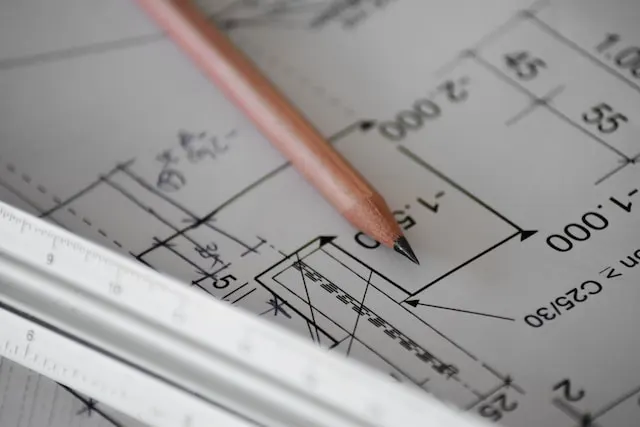

Technology has stopped being a “nice to have” in construction — it’s now the backbone of safer, faster, greener, and more predictable projects. From project inception to handover and operations, modern tools reduce uncertainty, compress schedules, and shift the industry from reactive trades to proactive systems thinking. This blog explores the major technologies reshaping construction today, how they’re used, the benefits and challenges, and quick practical tips for teams wanting to adopt them.
BIM converts drawings into a live, data-rich model that everyone — architects, engineers, contractors, owners — can use. Digital twins extend BIM into the operational phase, mirroring the real asset with live sensor and maintenance data.
Fewer delays, trimmed contingency, and smarter FM (facility management). A project that integrates BIM from design through operation unlocks savings over the building lifecycle, not just during construction.
Before diving into budgets, evaluate whether your project is feasible. A feasibility study assesses site conditions, regulatory requirements, and market factors. It answers crucial questions: Is the land suitable? What are the zoning restrictions? How will utilities be managed? This step ensures your budget isn’t wasted on a plan that can’t be built. By understanding external factors upfront, you save time, money, and avoid painful redesigns later.
Automation moves physically repetitive or dangerous work away from humans and into machines — drones for inspection, robots for repetitive tasks, and 3D printers for formwork or small structural elements. This reduces human risk, enables 24/7 work cycles in constrained tasks, and lets highly-skilled workers focus on complex decisions.
The Internet of Things (IoT) turns static sites into connected environments. Wearable tags, asset trackers, environmental sensors (dust, humidity), and machine telematics stream continuous data to dashboards. This real-time visibility powers safer sites (proximity alerts, fatigue monitoring), better resource allocation, and evidence for claims/analytics.
“Technology in construction doesn’t replace the craftsman — it amplifies their skill. By weaving together digital models, sensors, and automation we turn assumptions into measured insight, cut rework and risk, compress schedules, and deliver buildings that perform longer and cost less to operate — a smarter way to build for people and the planet.”
Liam Ortega
- SiteSense Analytics
AI turns mountains of historical and live data into actionable insights — faster estimates, optimized schedules, and risk flags before issues occur. It’s the decision accelerator for complex, variable projects.
AI supports experienced teams — it doesn’t replace domain knowledge. The best outcomes come when data scientists and field experts collaborate.
Sustainability technologies are both regulatory responses and productivity drivers. Offsite prefabrication and modular construction reduce on-site waste, shorten schedules, and improve quality. New materials and energy modeling tools reduce embodied carbon and operational energy costs — critical as owners demand green credentials.
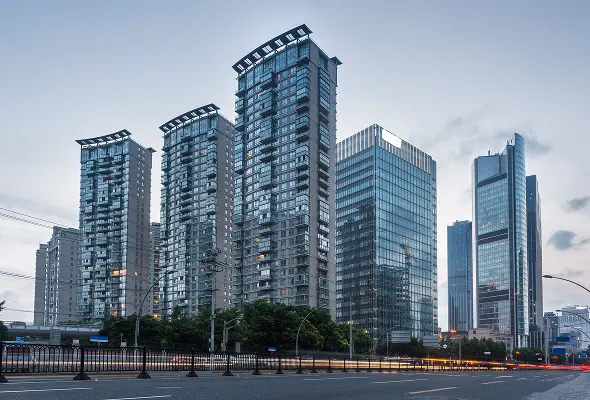
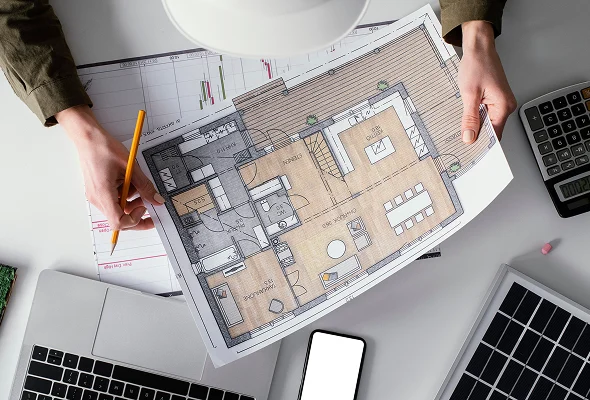
Sustainability technologies are both regulatory responses and productivity drivers. Offsite prefabrication and modular construction reduce on-site waste, shorten schedules, and improve quality. New materials and energy modeling tools reduce embodied carbon and operational energy costs — critical as owners demand green credentials.
Sustainability technologies are both regulatory responses and productivity drivers. Offsite prefabrication and modular construction reduce on-site waste, shorten schedules, and improve quality. New materials and energy modeling tools reduce embodied carbon and operational energy costs — critical as owners demand green credentials.
Technology in construction is not a single product — it’s an ecosystem that amplifies good process and flattens out uncertainty. When teams combine BIM and digital twins, apply automation where it reduces risk, instrument work with IoT, and use AI to turn data into foresight, projects become faster, safer, cheaper, and greener. The practical route to success is incremental: pick one pain point, pilot a solution with real metrics, document ROI, then scale. The future-built environment will be less chaotic and more intentional — and tech is the scaffolding that will get us there.
We'd love to hear your thoughts! Share your feedback, ideas, or questions below — your comment helps keep the conversation going.
By Nizahr Gems - February 1, 2025
Learn how to preserve historic buildings while adapting them for modern needs.
By Nizahr Gems - February 1, 2025
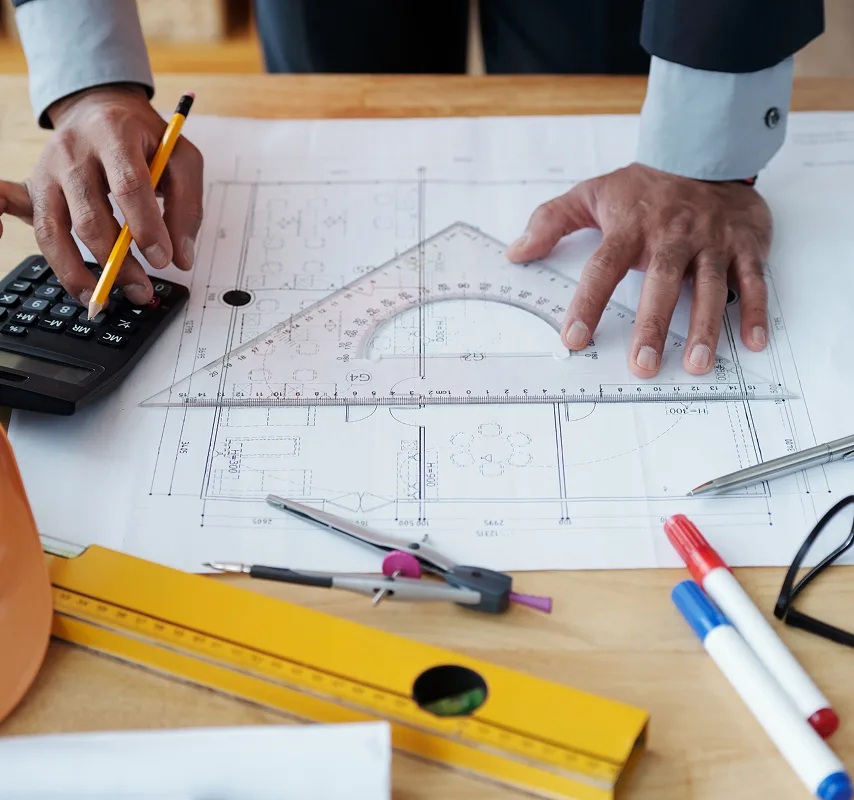
Planning is the foundation of every successful build. This article walks you through the key steps to developing a realistic project timeline, allocating your budget efficiently, and preparing for unexpected costs.
By Nizahr Gems - February 1, 2025
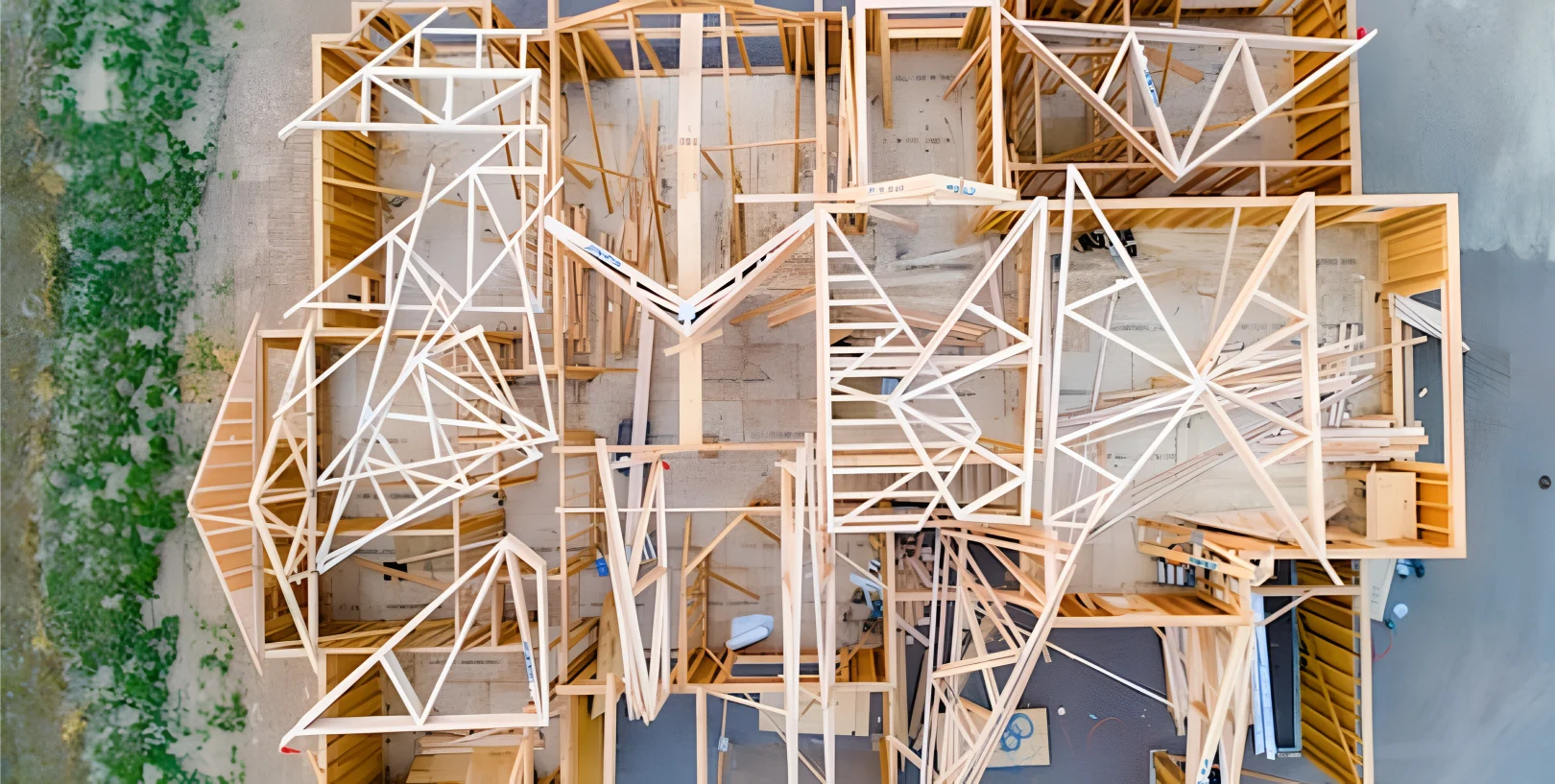
Planning is the foundation of every successful build. This article walks you through the key steps to developing a realistic project timeline, allocating your budget efficiently, and preparing for unexpected costs.
By Nizahr Gems - February 1, 2025
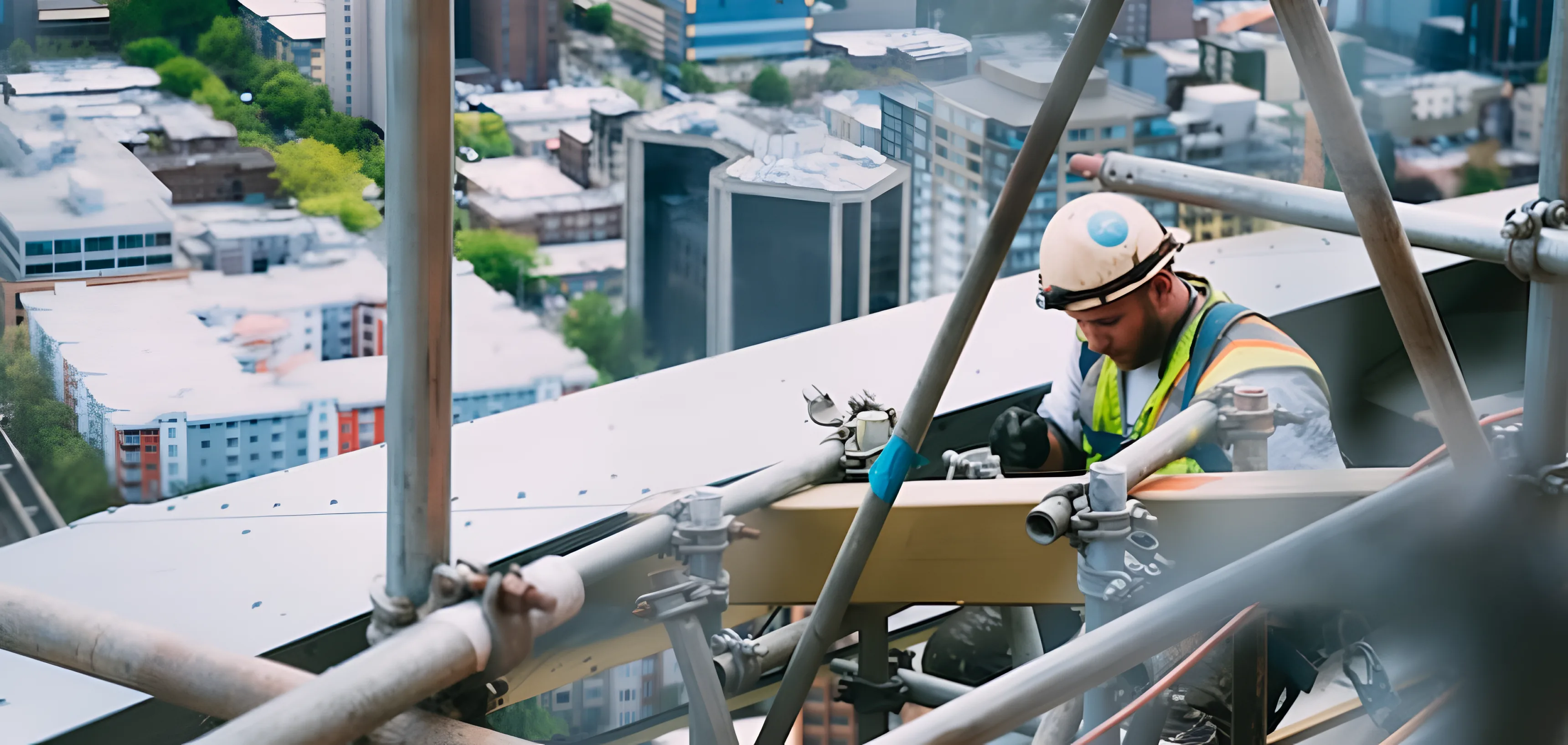
Modern construction relies on the right tools to achieve speed, accuracy, and safety. We explore today’s most trusted equipment—laser measurers,automated lifts, electric saws, and more that help teams stay productive and professional from the ground up.
By Nizahr Gems - February 1, 2025
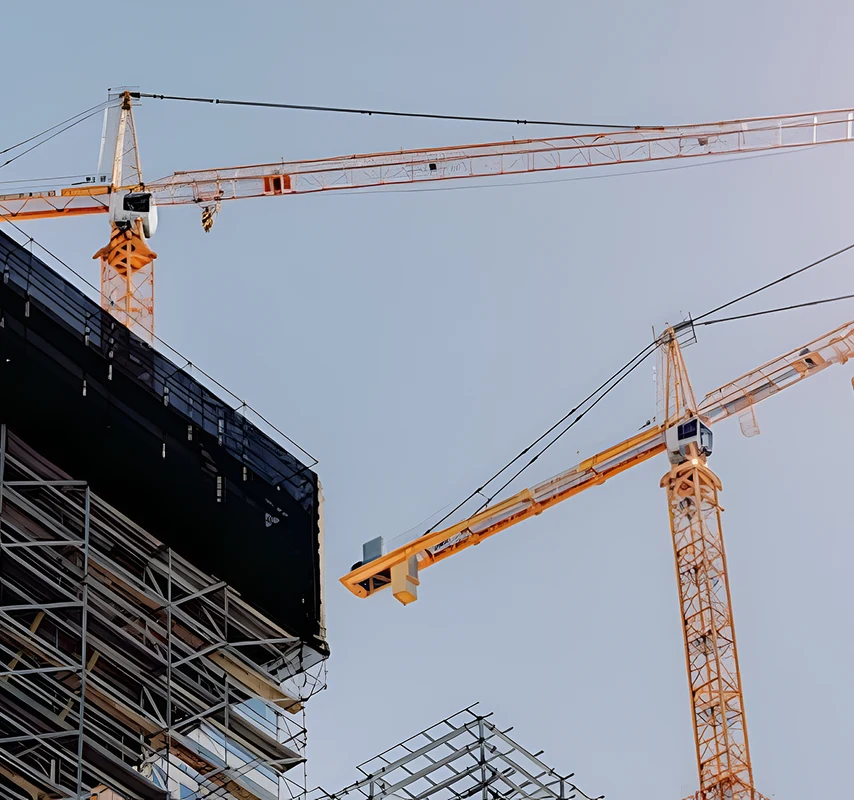
Planning is the foundation of every successful build. This article walks you through the key steps to developing a realistic project timeline, allocating your budget efficiently, and preparing for unexpected costs.