By Nizahr Gems - February 1, 2025
How to Plan and Budget for Your Construction Project
Learn how to preserve historic buildings while adapting them for modern needs.

By Nizahr Gems - February 2025 - 3 comments

Renovating a historic building is more than just a construction project—it’s a journey of preservation and responsibility. These buildings carry architectural, cultural, and historical value that must be respected while still adapting them to modern needs. The process, however, can be complex, as it involves balancing creativity, compliance, and conservation. A thoughtful approach ensures you protect the building’s heritage while making it functional for today.
1. Do Research the History
Understand the building’s original design, cultural context, and architectural details. Old blueprints, photographs, and local archives can guide your restoration to ensure historical accuracy.
2. Do Work with Specialists
Hire architects, engineers, and contractors experienced in heritage renovation. They know how to preserve original features while ensuring modern safety standards are met.
3. Do Use Authentic Materials
Whenever possible, use materials that match or replicate the originals—such as stone, wood, or period-accurate finishes. This keeps the character of the building intact.
4. Do Prioritize Safety and Stability
Historic buildings often come with hidden structural issues. Reinforce foundations, roofing, and walls while keeping the aesthetics consistent with the original style.
5. Do Stay Compliant with Regulations
Historic renovations often require approvals from heritage or preservation boards. Following these rules not only avoids legal trouble but also maintains cultural integrity.
1. Don’t Rush the Process
Historic restoration is not a quick project. Rushing may lead to mistakes, overlooked details, and irreversible damage to original features.
2. Don’t Replace What Can Be Restored
Avoid tearing down original windows, doors, or moldings if they can be repaired. Preserving original craftsmanship adds authenticity and long-term value.
3. Don’t Ignore Hidden Issues
Water damage, outdated wiring, or weak structures often hide beneath the surface. Skipping inspections can lead to costly surprises later.
4. Don’t Compromise Character for Convenience
Modern upgrades like HVAC systems or new layouts should be integrated carefully. Avoid choices that strip away the unique charm of the building.
5. Don’t Overlook Sustainability
Historic doesn’t mean outdated. Use eco-friendly insulation, efficient lighting, and water-saving systems in ways that respect the building’s heritage.
“Renovating a historic building is not just about construction—it’s about storytelling. Each beam, stone, and window carries history, and our job is to preserve that story while making it part of the future.”
Miraso Lactos
- HeritageWorks Ltd.

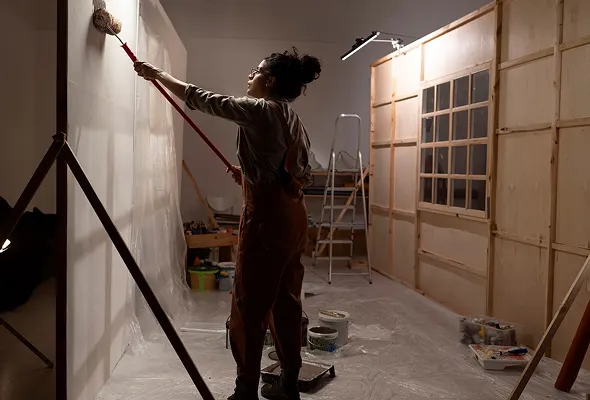
| Dos (Do this) | Don’ts (Avoid this) |
|---|---|
| Carry out archival research and record findings | Skip historic research and assume original form |
| Hire conservation specialists early | Use only general contractors with no heritage skills |
| Use compatible materials and traditional methods | Use impermeable or incompatible modern materials |
| Test and stabilise structure before finishes | Cover up defects with cosmetic fixes |
| Integrate modern services discreetly & reversibly | Install intrusive systems that harm original fabric |
Renovating a historic building rewards patience, deep research, and respect for original craftsmanship. By following best practices — working with specialists, documenting everything, prioritising repair over replacement, and integrating modern systems sensitively — you preserve value and character while making the space useful for today. Start with a thorough condition survey and a conservation-minded brief, and budget for surprises.
We'd love to hear your thoughts! Share your feedback, ideas, or questions below — your comment helps keep the conversation going.
By Nizahr Gems - February 1, 2025
Learn how to preserve historic buildings while adapting them for modern needs.
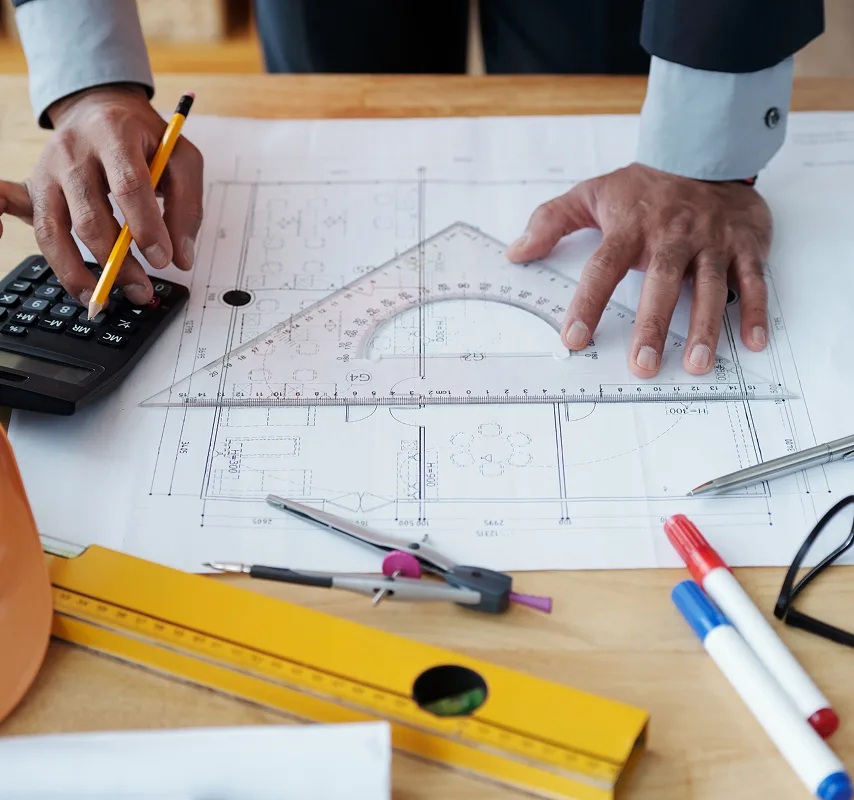
By Nizahr Gems - February 1, 2025
Planning is the foundation of every successful build. This article walks you through the key steps to developing a realistic project timeline, allocating your budget efficiently, and preparing for unexpected costs.
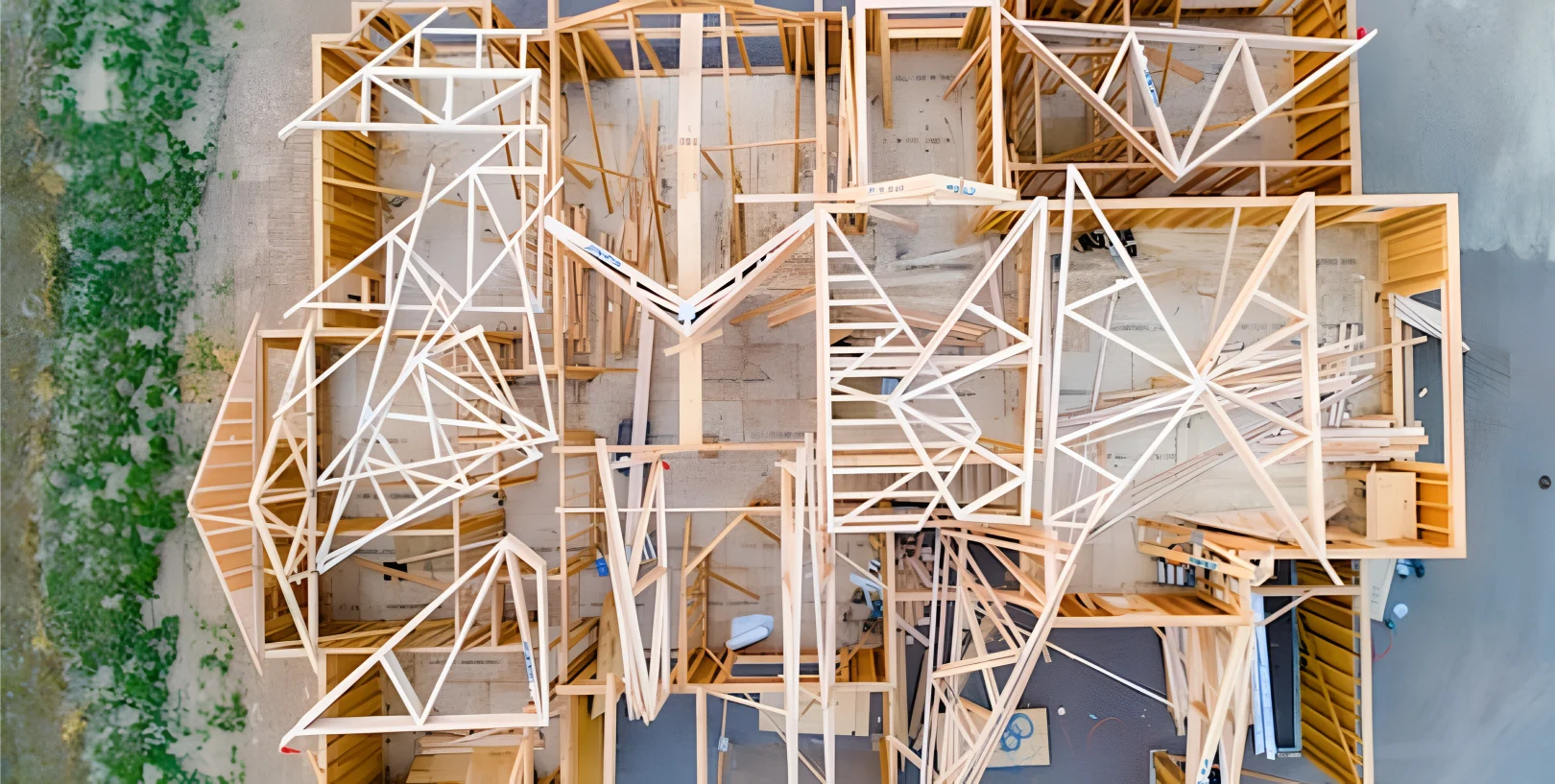
By Nizahr Gems - February 1, 2025
Planning is the foundation of every successful build. This article walks you through the key steps to developing a realistic project timeline, allocating your budget efficiently, and preparing for unexpected costs.
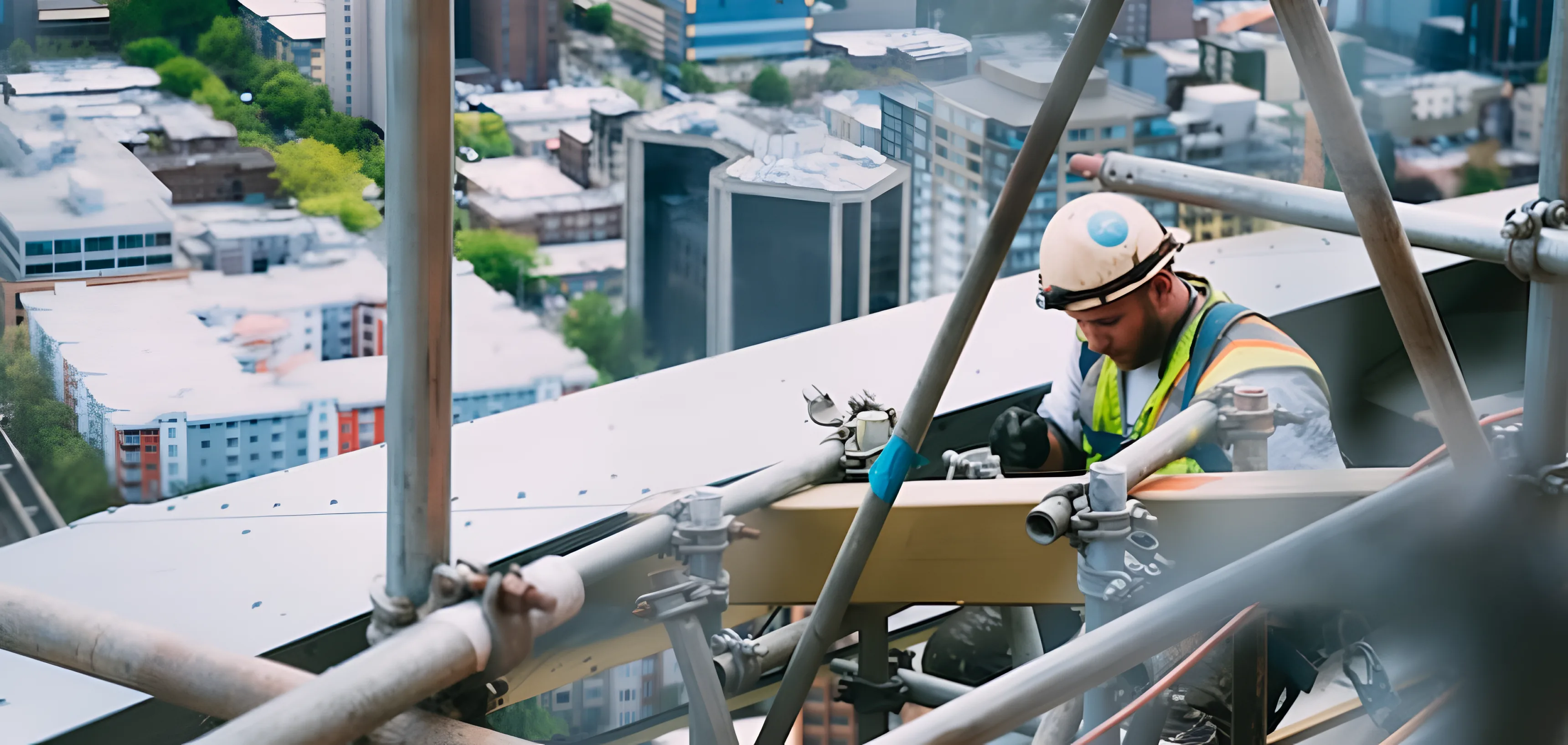
By Nizahr Gems - February 1, 2025
Modern construction relies on the right tools to achieve speed, accuracy, and safety. We explore today’s most trusted equipment—laser measurers,automated lifts, electric saws, and more that help teams stay productive and professional from the ground up.
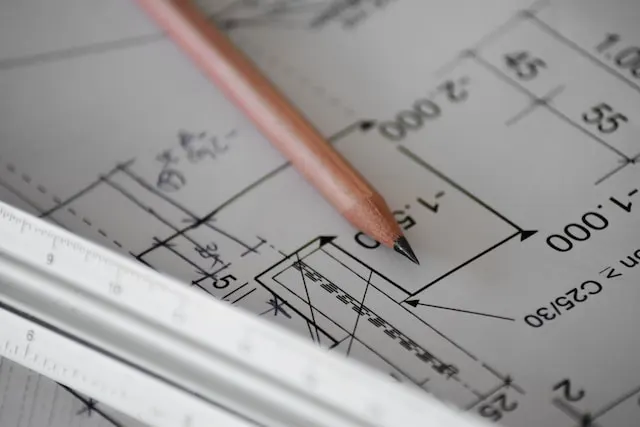
By Nizahr Gems - February 1, 2025
The industry is rapidly evolving with digital advancement this blog cover how technologie like Building Information Modeling (BIM), drones, 3D printing, and augmented reality are transforming project visualization.
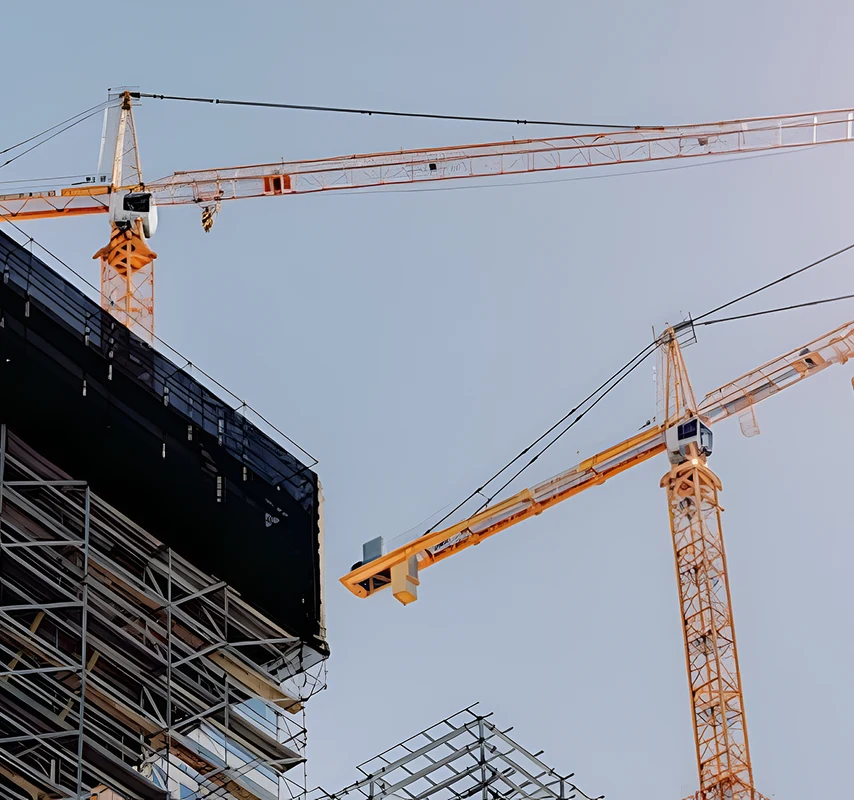
By Nizahr Gems - February 1, 2025
Planning is the foundation of every successful build. This article walks you through the key steps to developing a realistic project timeline, allocating your budget efficiently, and preparing for unexpected costs.