By Nizahr Gems - February 1, 2025
How to Plan and Budget for Your Construction Project
Learn how to preserve historic buildings while adapting them for modern needs.

By Nizahr Gems - February 2025 - 3 comments
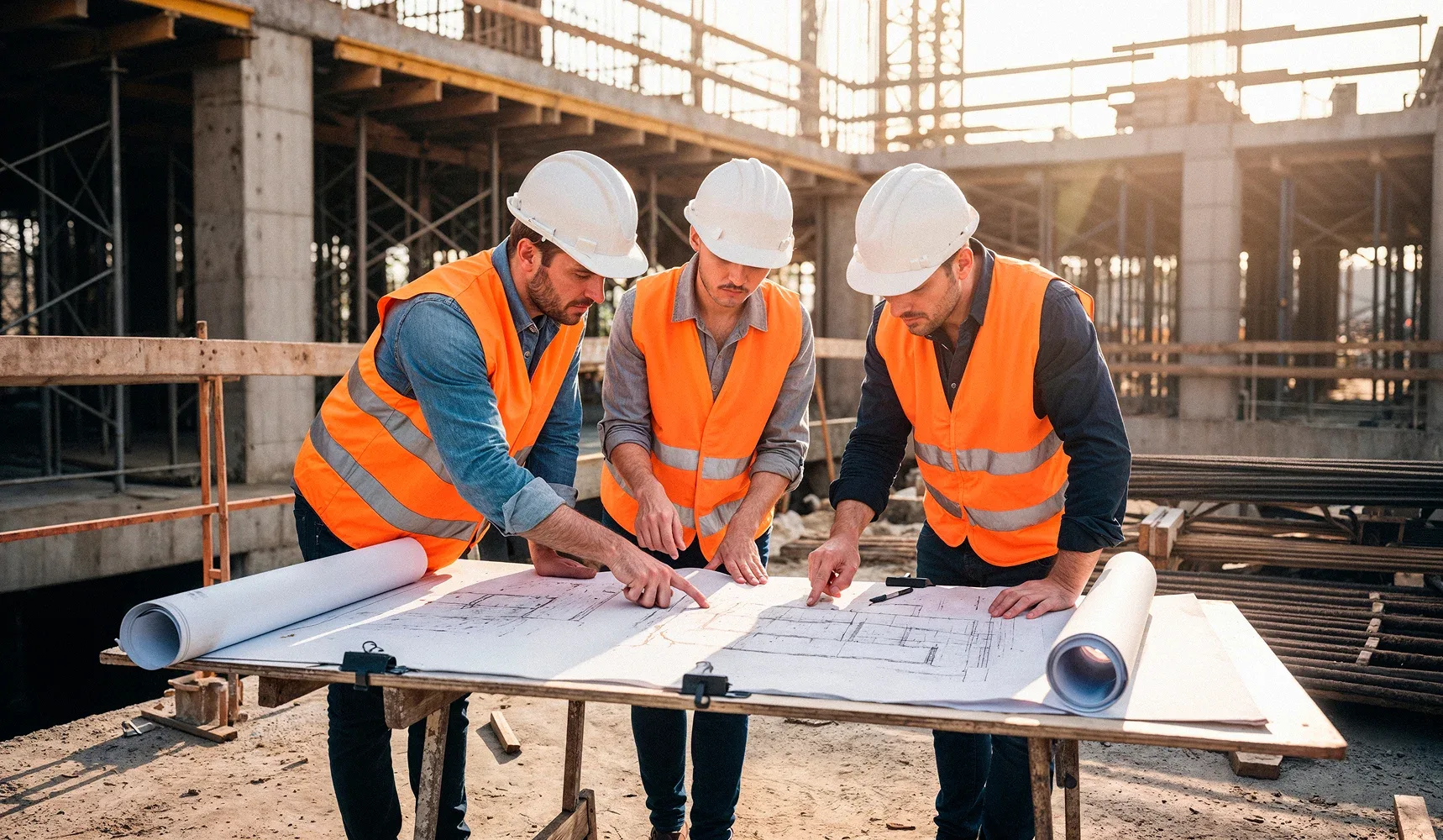
On-site productivity is the single biggest lever to reduce cost, shorten schedules, and improve quality on construction projects. Small daily improvements — clearer briefings, better logistics, smarter use of data, and empowered crews — compound into large time and cost savings. Below are practical, ready-to-use strategies presented in a mixed format: some points are explained with short paragraphs (with actionable sub-lists) and others are compact action lists you can put into practice this week.
Teams move faster when they know exactly what success looks like each day and week. Define measurable productivity targets (e.g., wall panels installed per day, % of planned tasks completed each shift) and keep them visible on-site. Use simple KPIs to focus effort and spot problems early instead of waiting for weekly reports.
“Productivity on site isn’t about pushing harder — it’s about removing the small frictions that steal hours from every shift.”
Liam Carter
- CraftWorks International
Good productivity is primarily planning: map the week so deliveries, trades and inspections are sequenced to avoid waiting. Break weekly plans into daily sequences (who does what, when, where) and make logistics — deliveries, storage, crane time — part of the plan, not an afterthought.
Moving repetitive, weather-sensitive or high-precision work off-site reduces rework and site congestion. Prefab bathroom pods, façade panels, and MEP racks can be installed rapidly once the site sequence and tolerances are controlled. Early design-for-manufacture decisions pay back in shorter site durations.
A clear, efficient site layout reduces wasted motion. Designate routes for deliveries, routes for pedestrians, secure tool storage close to work areas and separate material laydown zones. Think of the site as a small factory: work cells, material flow, and minimal handling.
Cross-trained crews reduce idle time when a specialist is delayed. Invest in multi-skill training and give supervisors permission to reassign tasks within competency limits. Empowering teams to reorder minor tasks without management approval speeds recovery from disruptions.


Improving on-site productivity is less a single dramatic fix and more a steady program of small, deliberate changes. When teams set clear short-term targets, hold fast morning huddles, and sequence work with a seven-day lookahead, they remove many of the routine stoppages that silently erode progress. Pair those habits with practical measures — right-first-time quality checks, prefabrication where it reduces rework, concise digital coordination and a thoughtful site layout — and you transform the site from a reactive scramble into a predictable, well-oiled operation.
People are the multiplier in every productivity move. Invest a little time in cross-skilling, empower supervisors to clear simple blockers immediately, and recognise small wins publicly. Those cultural shifts reduce idle time, speed decision-making, and create an environment where continuous improvement becomes the norm rather than an occasional program. Short, measurable incentives and fortnightly improvement sprints keep momentum and make solutions repeatable across trades and sites.
We'd love to hear your thoughts! Share your feedback, ideas, or questions below — your comment helps keep the conversation going.

By Nizahr Gems - February 1, 2025
Learn how to preserve historic buildings while adapting them for modern needs.
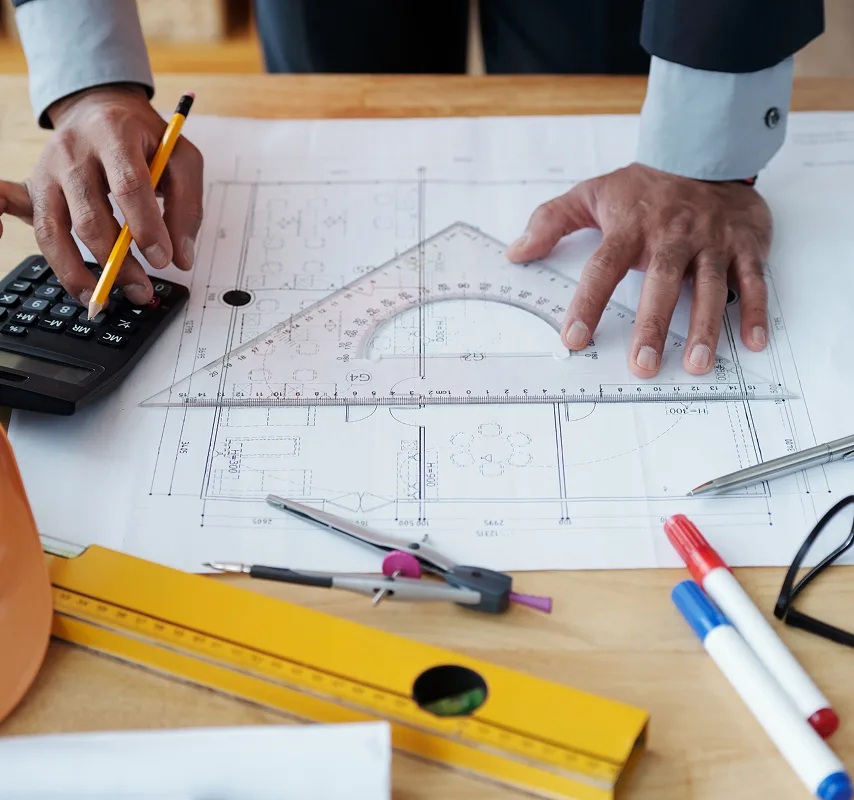
By Nizahr Gems - February 1, 2025
Planning is the foundation of every successful build. This article walks you through the key steps to developing a realistic project timeline, allocating your budget efficiently, and preparing for unexpected costs.
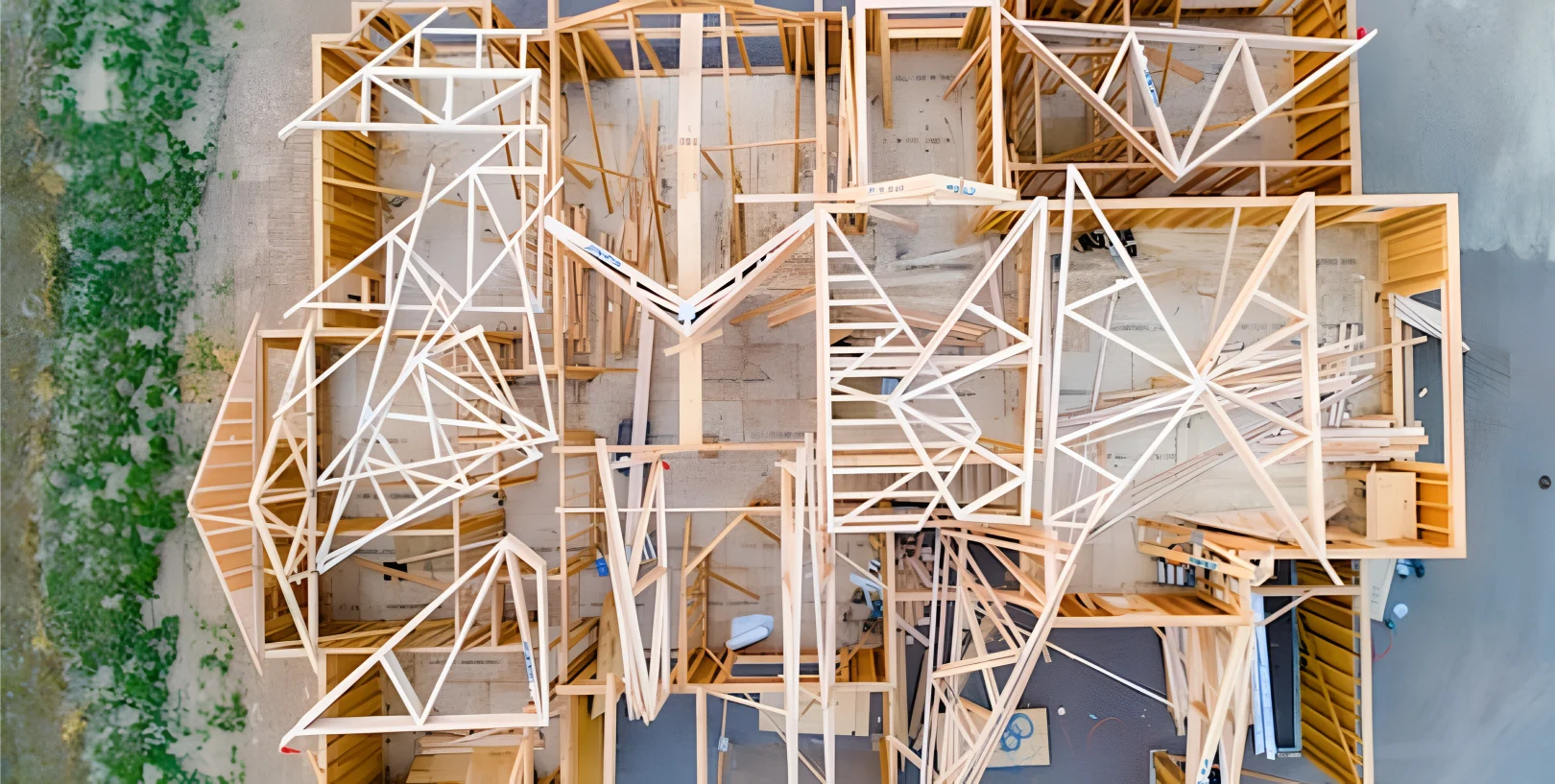
By Nizahr Gems - February 1, 2025
Planning is the foundation of every successful build. This article walks you through the key steps to developing a realistic project timeline, allocating your budget efficiently, and preparing for unexpected costs.

By Nizahr Gems - February 1, 2025
Modern construction relies on the right tools to achieve speed, accuracy, and safety. We explore today’s most trusted equipment—laser measurers,automated lifts, electric saws, and more that help teams stay productive and professional from the ground up.
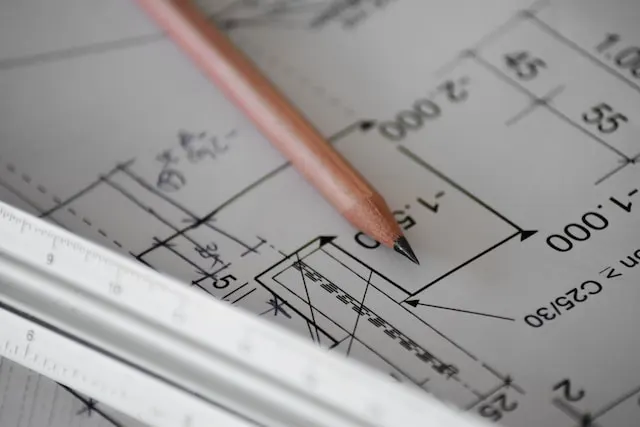
By Nizahr Gems - February 1, 2025
The industry is rapidly evolving with digital advancement this blog cover how technologie like Building Information Modeling (BIM), drones, 3D printing, and augmented reality are transforming project visualization.
By Nizahr Gems - February 1, 2025
Planning is the foundation of every successful build. This article walks you through the key steps to developing a realistic project timeline, allocating your budget efficiently, and preparing for unexpected costs.